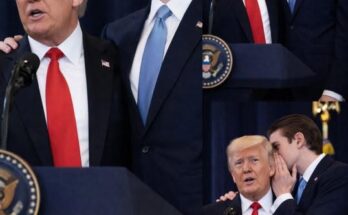
What was intended as a polished diplomatic moment during the state visit quickly shifted into something far more modern: a viral clip dissected frame by frame.
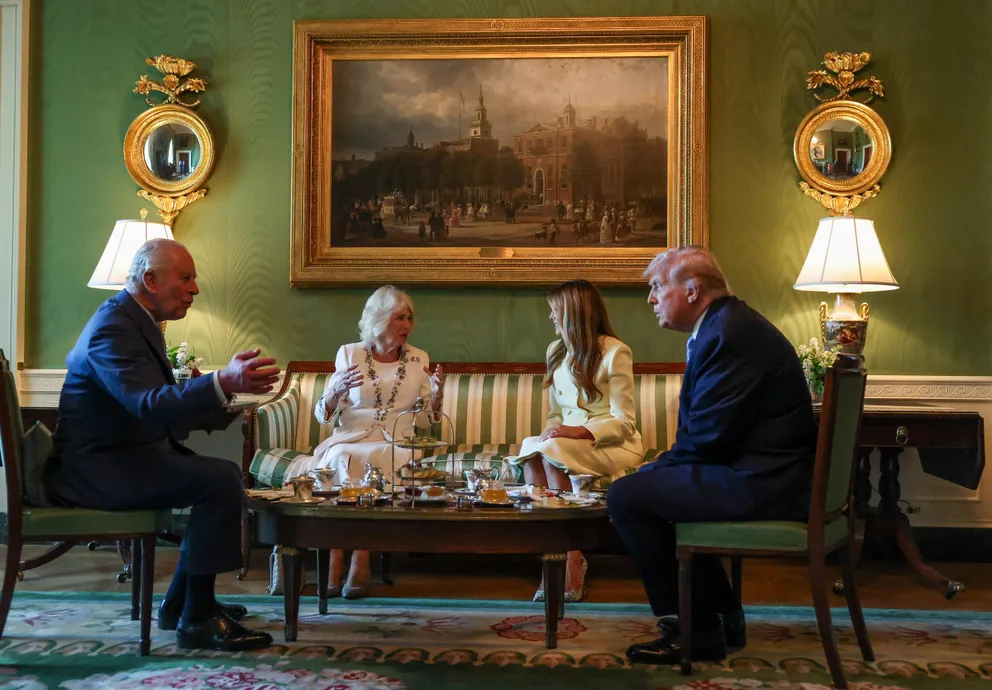
During the visit of King Charles III and Queen Camilla to Washington, Donald Trump delivered remarks that largely followed a familiar tone—formal, reflective, and anchored in family history. His tribute to his parents, particularly their long marriage, set up what seemed like a predictable closing sentiment.
Then came the deviation.
Turning toward Melania Trump, he added a quick aside suggesting they wouldn’t match that 63-year milestone—followed by a casual, almost offhand “I’m sorry.” The line was brief, but its impact wasn’t. The audience responded immediately with laughter, but online, the reaction became far more layered.
Why that moment stood out
On its surface, the remark reads as light humor—self-aware, slightly exaggerated, and delivered in a setting where personal anecdotes often soften formal speeches. In many ways, it fits a long tradition of leaders using humor to humanize themselves during diplomatic events.
But context matters.
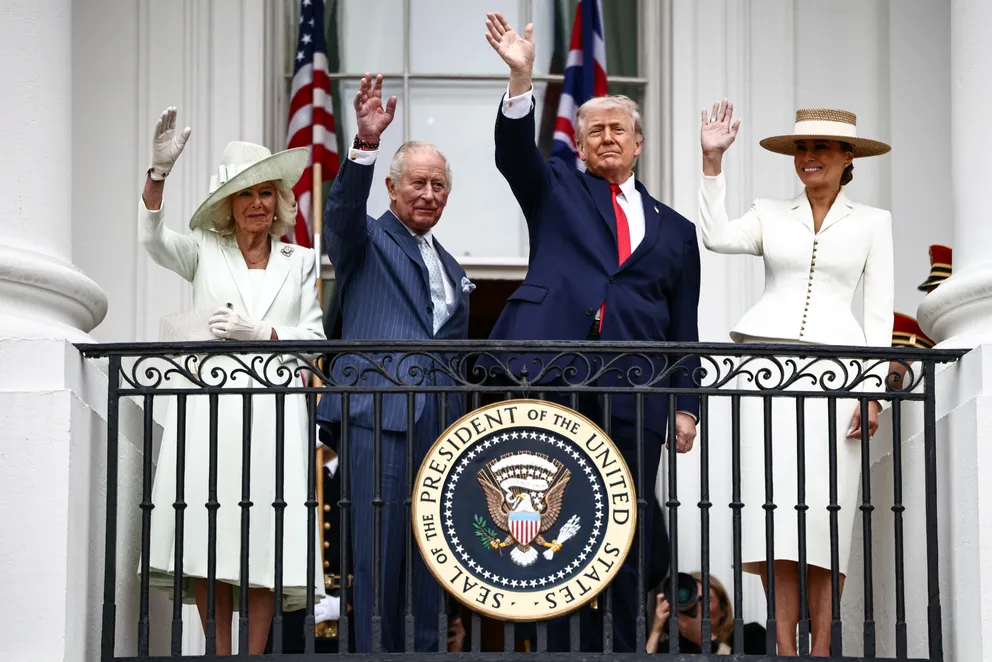
Because the comment referenced his own marriage in a public, high-profile setting, it opened the door to interpretation. Some viewers saw it as harmless and even relatable—a casual acknowledgment that few marriages reach that kind of duration. Others focused less on the joke itself and more on delivery, tone, and timing.
In today’s environment, those small variables often carry more weight than the words alone.
The role of perception
What followed online wasn’t unusual—it was almost inevitable.
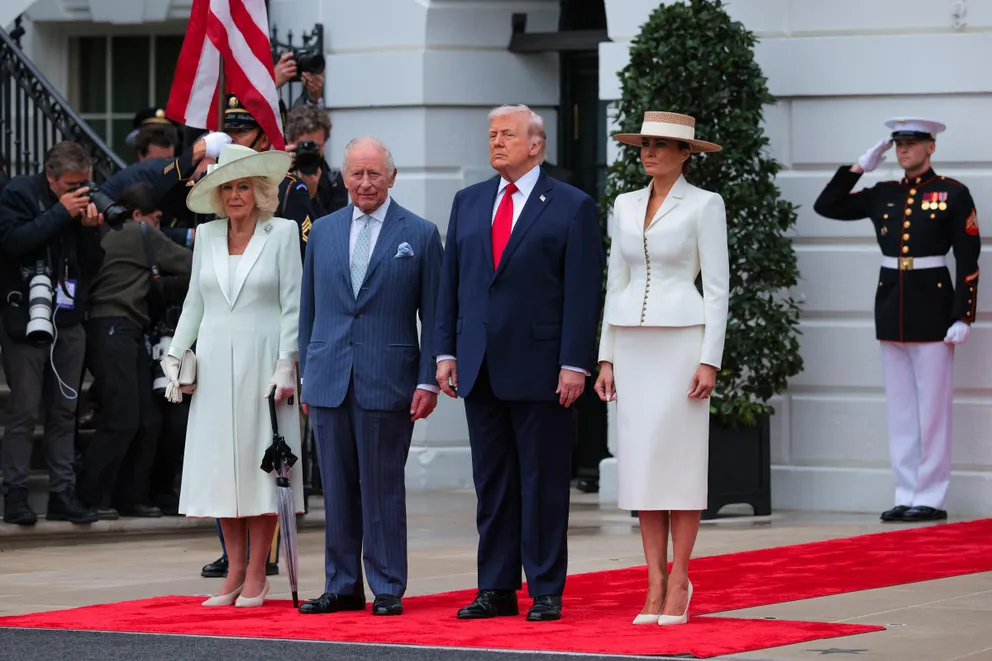
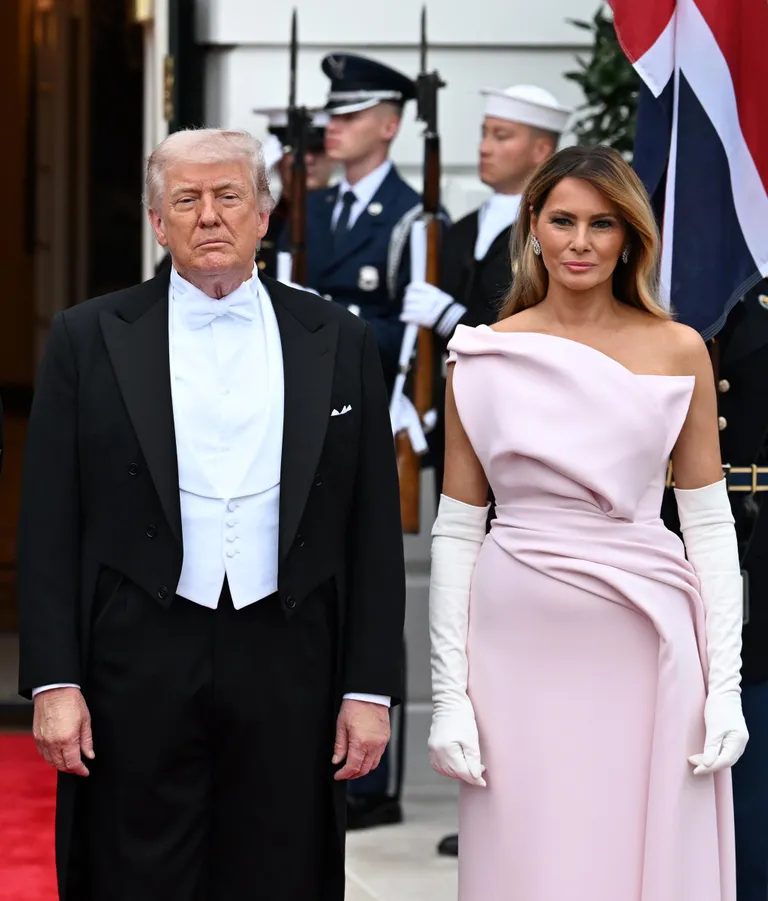
Clips circulated rapidly, and attention shifted toward Melania Trump’s reaction. A glance, a pause, a subtle expression—these became focal points for speculation. Some interpreted her demeanor as reserved or displeased, while others argued it reflected standard formality expected during official appearances.
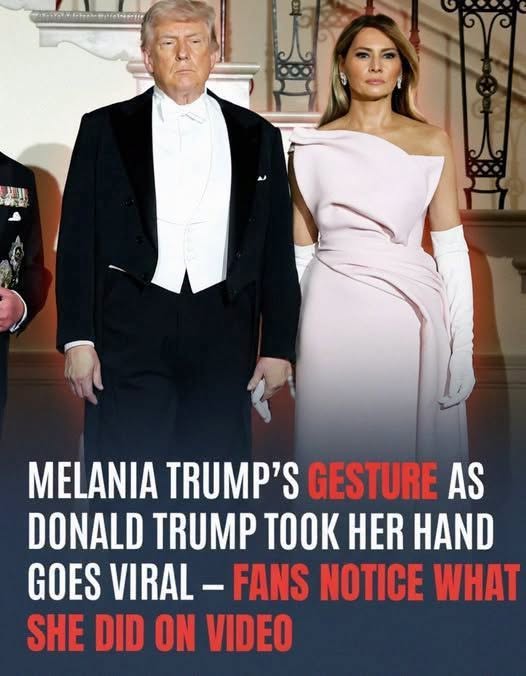
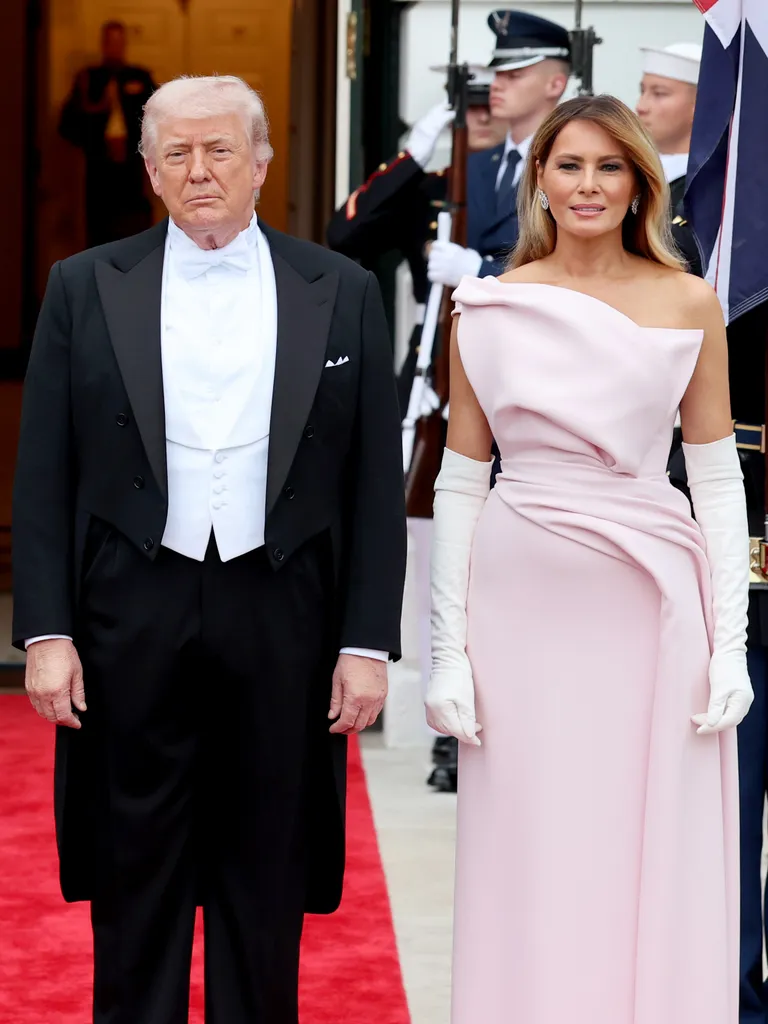
A second clip, showing a brief hand movement between the couple during a photo moment, added another layer. Again, interpretations split. For some, it hinted at tension. For others, it was simply etiquette—formal protocol often discourages gestures like hand-holding during certain presentations.
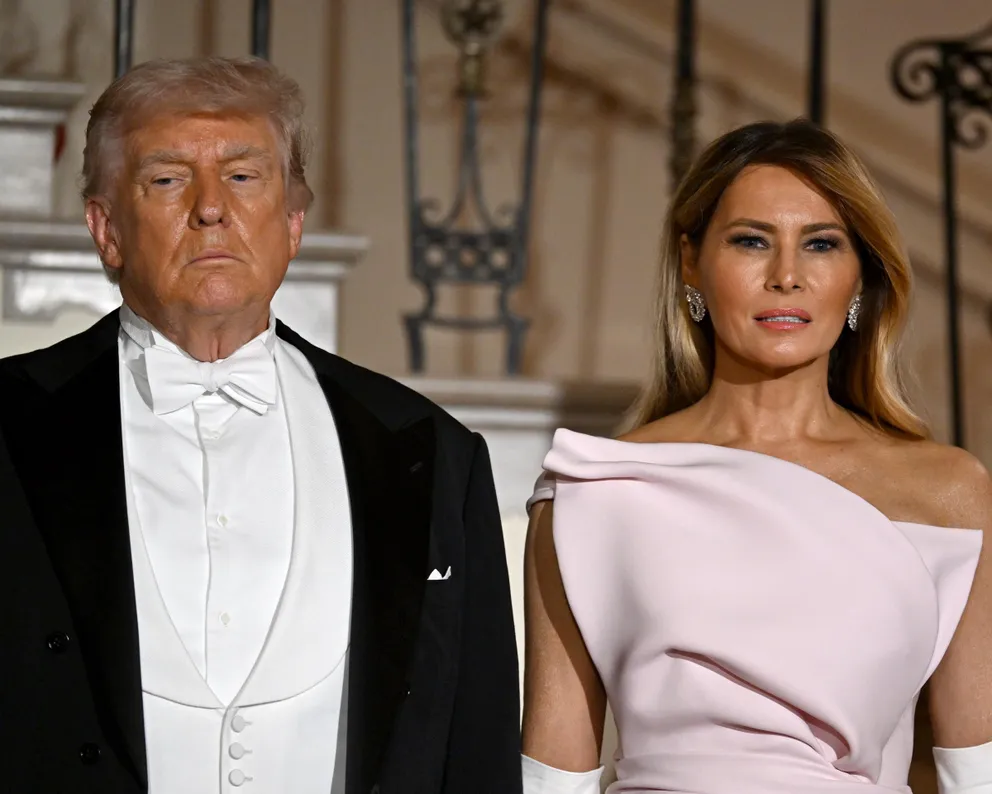
Neither interpretation can be confirmed definitively, which is precisely why the moment gained traction.
Why small moments become big stories
The broader takeaway has less to do with the comment itself and more to do with how public figures are observed today.
In earlier eras, such a remark might have passed as a fleeting aside. Now, every word, gesture, and expression is captured, replayed, and analyzed in real time. The audience doesn’t just watch—they interpret, compare, and project meaning onto even the smallest details.
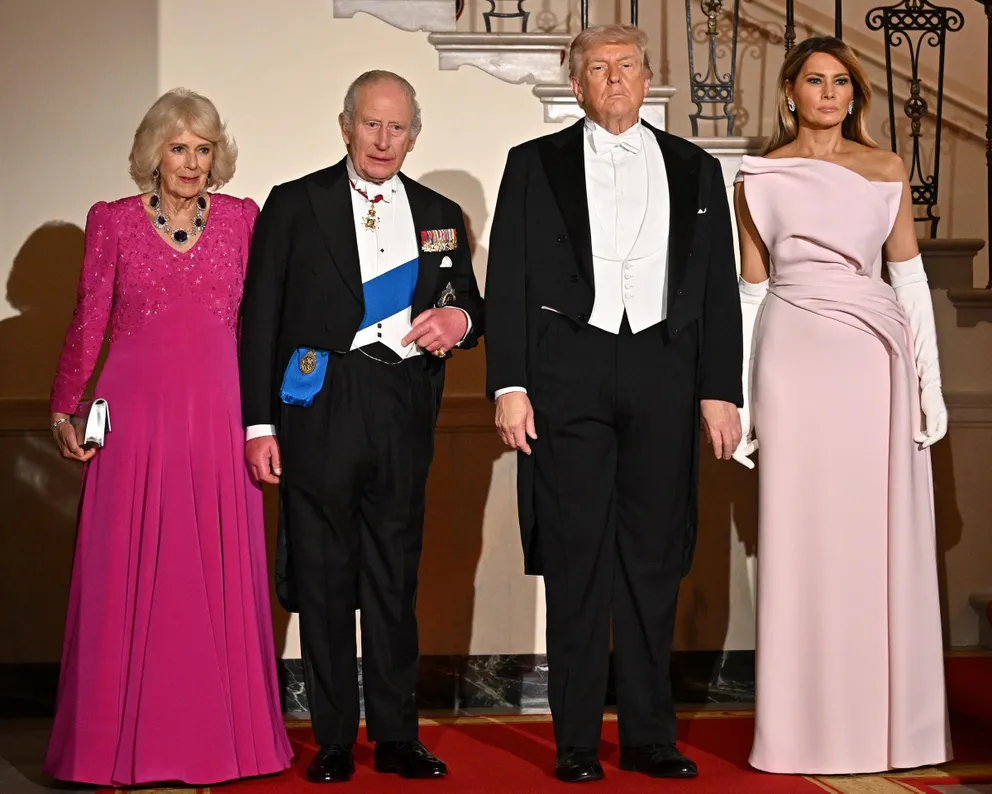
That dynamic turns ordinary moments into narratives.
The bigger picture
Lost somewhat in the viral discussion is the fact that the visit itself—between the Trumps and the British royal couple—proceeded without issue. Meetings, ceremonies, and formal engagements unfolded as planned, reinforcing the diplomatic purpose of the occasion.
Yet, as often happens, it wasn’t the official agenda that captured attention.
It was a brief sentence.
A casual tone.
And two simple words: “I’m sorry.”
In a media environment shaped by immediacy and interpretation, those small deviations from script are often what linger the longest.